July 2, 2026
In modern homes, electricity is a critical utility that powers our daily lives. However, electrical systems, while essential, pose significant risks if not properly maintained. Electrical fires are among the most common household hazards, making it imperative for homeowners to take preventive measures. By understanding the nature and causes of electrical fires, an electrician company can implement practical steps to reduce the risk. This article explores the critical aspects of electrical fire prevention to enhance home safety.
Electrical Fire Risks
Common Causes of Electrical Fires
Electrical fires are often a result of underlying issues that remain unnoticed until it is too late. Faulty wiring is a leading cause of these fires, accounting for about 70% of incidents according to World Metrics. Problems such as exposed wires, improper installations, and degradation over time contribute to this risk. Additionally, overloaded outlets, often caused by plugging too many devices into a single socket, can lead to overheating and fires. Ignoring these warning signs can have catastrophic results, emphasizing the need for robust preventative practices.
Statistics on Electrical Fires
The frequency of electrical fires in residential settings is alarming, with reports showing thousands of incidents each year. These fires not only cause substantial property damage but also result in injuries and fatalities. Statistics reveal that homes with older wiring systems are at a greater risk. Moreover, regions with high humidity can exacerbate the condition of electrical components, leading to potential hazards. Recognizing and addressing these issues can greatly reduce the incidence of electrical fires.
Electrical Hazards
Spotting potential hazards in home electrical systems is a crucial step in fire prevention. Homeowners should regularly inspect for frayed cords, cracked wires, and signs of wear and tear. Paying attention to unusual sounds, like humming or buzzing from outlets, can indicate deeper issues. If lights flicker frequently or circuit breakers trip often, these are warning signs that need immediate attention. Regular monitoring and timely intervention can significantly minimize fire risks.
Demographics and Geography
Certain demographics and geographical areas might experience higher incidences of electrical fires due to various factors. Homes in rural areas, where professional electrical inspection services are less accessible, may face greater risks. Additionally, older neighborhoods with antiquated electrical systems are more prone to related issues. Socioeconomic factors also play a role, as lower-income households may not afford regular maintenance and upgrades. These insights necessitate tailored strategies to mitigate risks in different communities.
Home Electrical Safety Audit
A Home Electrical Safety Audit Defined
A home electrical safety audit with an electrician company is a systematic evaluation of a home's electrical system to identify potential hazards. This process involves examining wiring, outlets, and appliances for any signs of wear or improper functioning. Conducting such an audit helps in pinpointing areas that require urgent attention or upgrading. By identifying and resolving issues early, homeowners can significantly minimize the risk of electrical fires. Regular audits are a fundamental aspect of comprehensive home safety.
Checklist for Safety Inspections
A comprehensive checklist is essential for conducting a successful home electrical safety inspection. Key items include checking for frayed cords, testing smoke detectors, and inspecting outlet covers for any damage. It is also important to ensure that extension cords are used properly and not left under carpets or in high-traffic areas. Homeowners should verify that circuit breakers are functioning correctly and that no electronics are overheating. Following this checklist can help identify and rectify risks promptly.
Documentation and Records
Keeping records of safety audits and subsequent actions taken is crucial for ongoing home safety. Documentation provides a reference point for future inspections and helps in tracking repairs and upgrades over time. Monitoring findings ensures that potential issues are not forgotten and are addressed promptly. These records can also be beneficial when discussing electrical concerns with professionals. A systematic approach to documentation fosters a proactive safety culture at home.
Best Practices for Electrical Safety
Proper Use of Outlets and Cords
Safe use of electrical outlets and cords is fundamental to fire prevention. Never overload outlets by plugging in too many devices, and avoid using high-wattage appliances simultaneously on a single circuit. Extension cords should be used as temporary solutions and never as permanent installations. Cords should remain visible and unobstructed, avoiding pinch points that can damage insulation. These practices help in reducing the risk of overheating and electrical fires.
Electrical Maintenance Tips
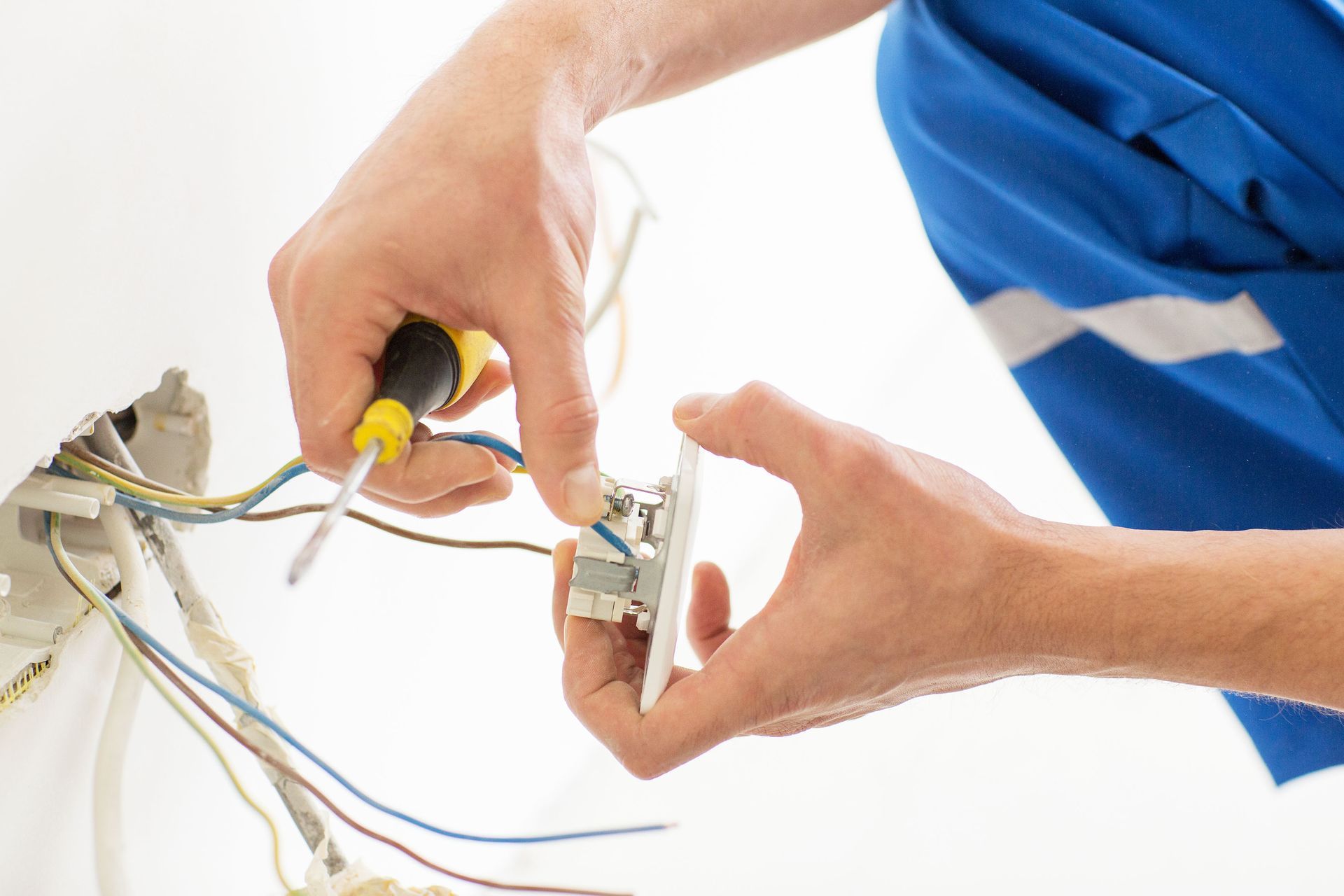
Regular maintenance of electrical systems with an electrician company is vital for preventing fire hazards. Periodic checks on outlets and switches for heat, burn marks, or arcing sounds can preempt greater issues. Keeping an eye on appliances for signs of wear or frayed cords helps maintain their safe operation. Ensuring that the electrical panel, including circuit breakers and fuses, is in good working condition prevents unanticipated outages and potential fires. Consistent upkeep reinforces safety and system longevity.
Safe Appliance Usage
Operating electrical appliances safely is essential to minimize risks. Always follow manufacturer instructions and avoid using faulty appliances. Turn off and unplug devices when not in use to prevent energy waste and potential electrical fires. Ensure that outdoor appliances are protected from moisture, and use outdoor-rated extension cords when necessary. Taking these precautions supports both safety and the efficient operation of household devices.
Outdated System Upgrade
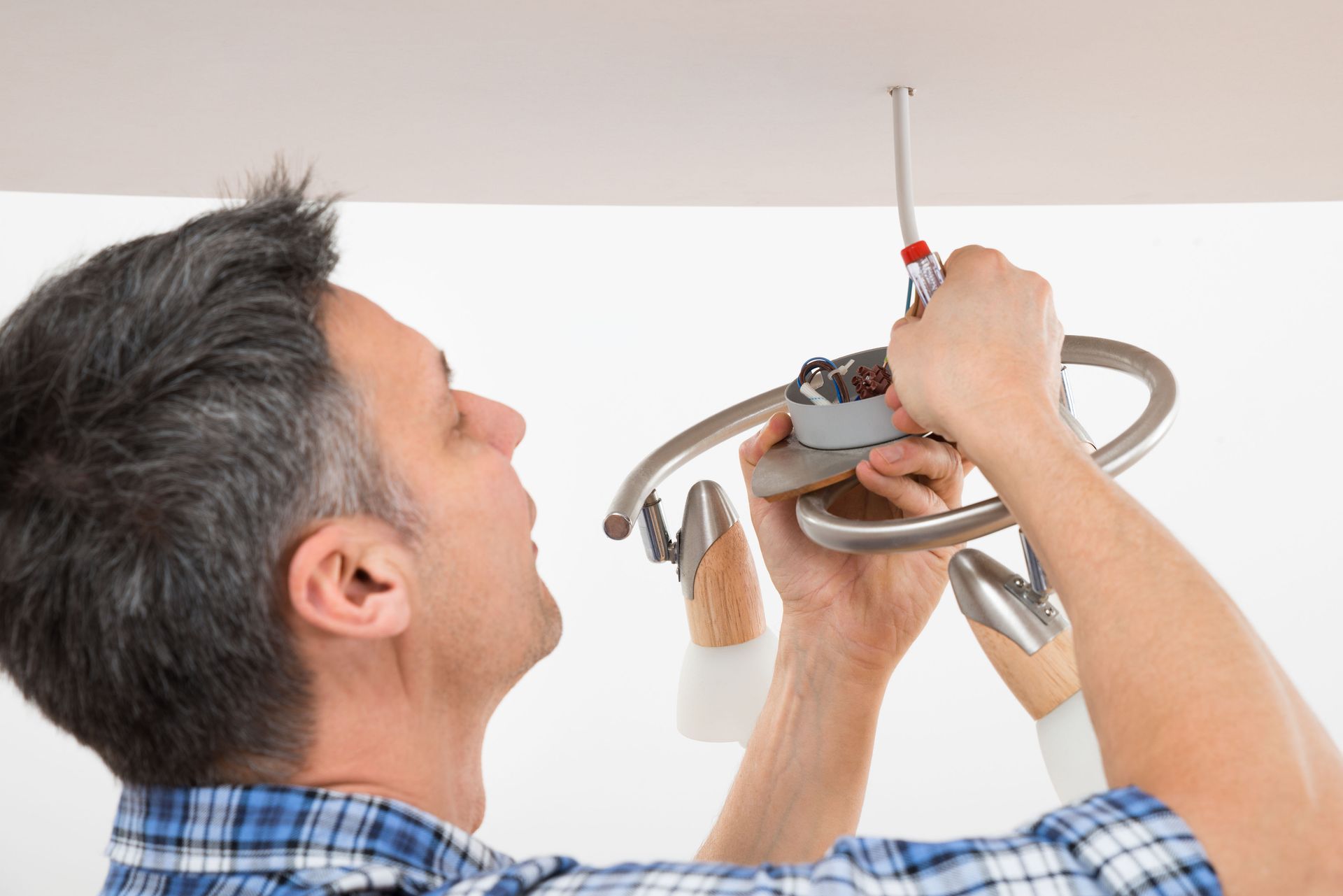
For homes with older electrical systems, upgrades with an electrician company might be necessary to comply with modern safety standards. Outdated wiring, such as knob-and-tube or aluminum, presents increased risks and should be replaced. Modern circuit breakers and outlets with ground fault circuit interrupters (GFCIs) offer enhanced protection against shock and fire. Evaluating and upgrading systems ensures safety and can provide better energy efficiency. Proactive upgrades help prevent avoidable electrical fire scenarios.
Warning Signs of Electrical Problems
Signs of Electrical Overload
Understanding the signs of electrical overload can prevent disaster. Frequent tripping of circuit breakers or blowing fuses indicates the electrical system is overtaxed. Flickering or dimming lights can be a symptom of circuits that are struggling to deliver power. The presence of warm or scorched outlets suggests excessive heat from overloaded circuits. Addressing these signs promptly with an electrician company can prevent potential electrical fires.
Faulty Wiring
Identifying faulty wiring is critical as it is a major cause of electrical fires. Listen for crackling or buzzing noises when operating switches or outlets, which could signify defective wiring. Look out for scorch marks or discoloration around appliances or outlets. Regularly inspect the basement or attic for any visible signs of deteriorating wiring. Timely intervention and expert analysis ensure a safeguard against fire risks.
Circuit Breaker Signals
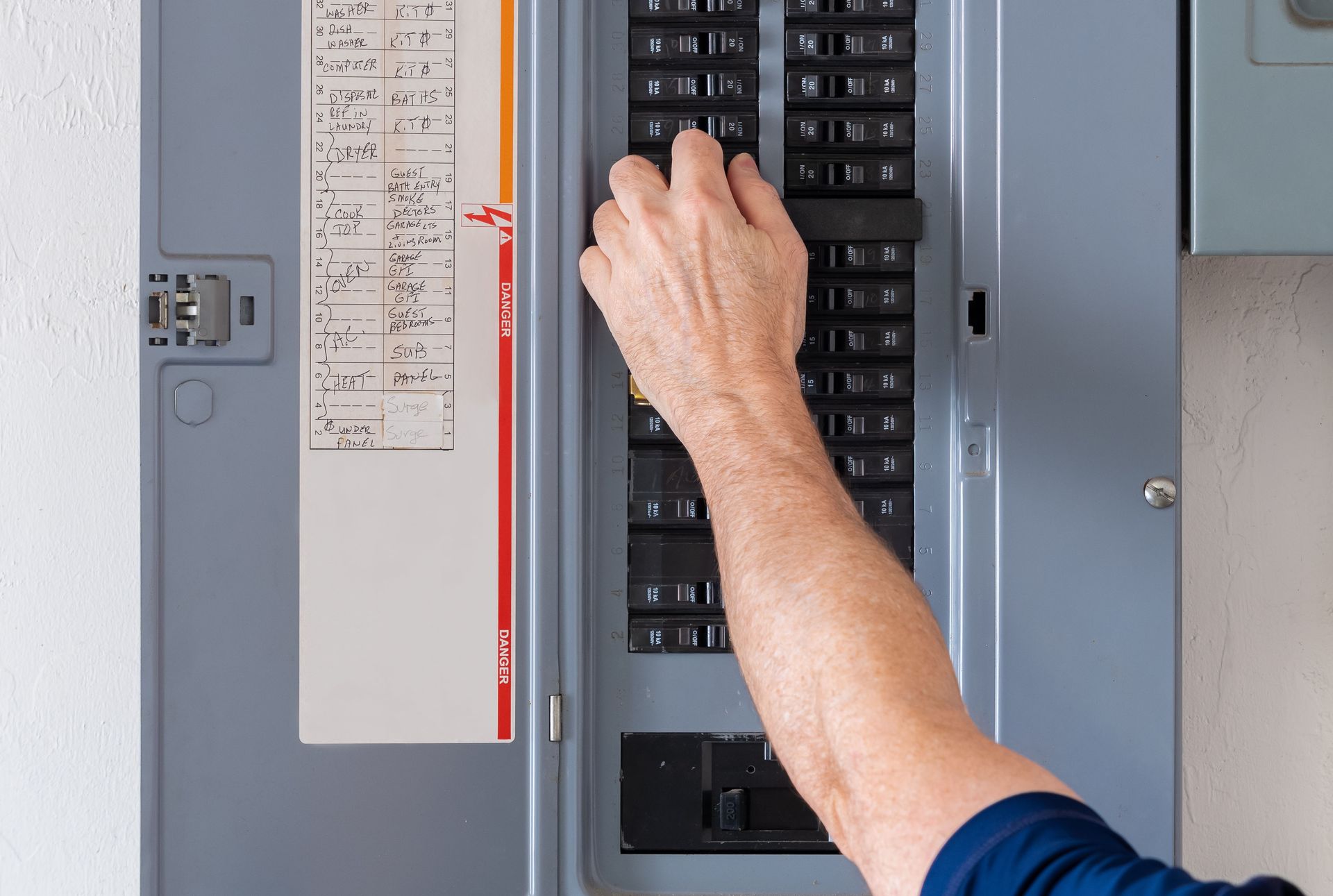
Circuit breakers serve as critical safety mechanisms in electrical systems. A breaker that trips frequently can indicate underlying electrical issues such as overload, short circuit, or ground fault. Unusually warm circuit breakers may signify that they are operating beyond capacity. Consulting with a professional electrician company is advisable if unusual breaker activity persists. Understanding circuit breaker signals helps maintain a secure household electrical environment.
The threat of electrical fires cannot be underestimated, underscoring the importance of awareness and preventative action. By educating themselves and engaging family members in safety practices, homeowners can create a safer environment. Regular audits, maintenance, and the implementation of modern safety solutions are fundamental steps in protecting homes from preventable electrical fires. For an electrician company, contact Forehand Electric Inc today.